

ISO New England is “the independent, nonprofit corporation responsible for keeping electricity flowing across the six New England states.” ISO-NE About Page
Why would this matter to you, rural Mainer?
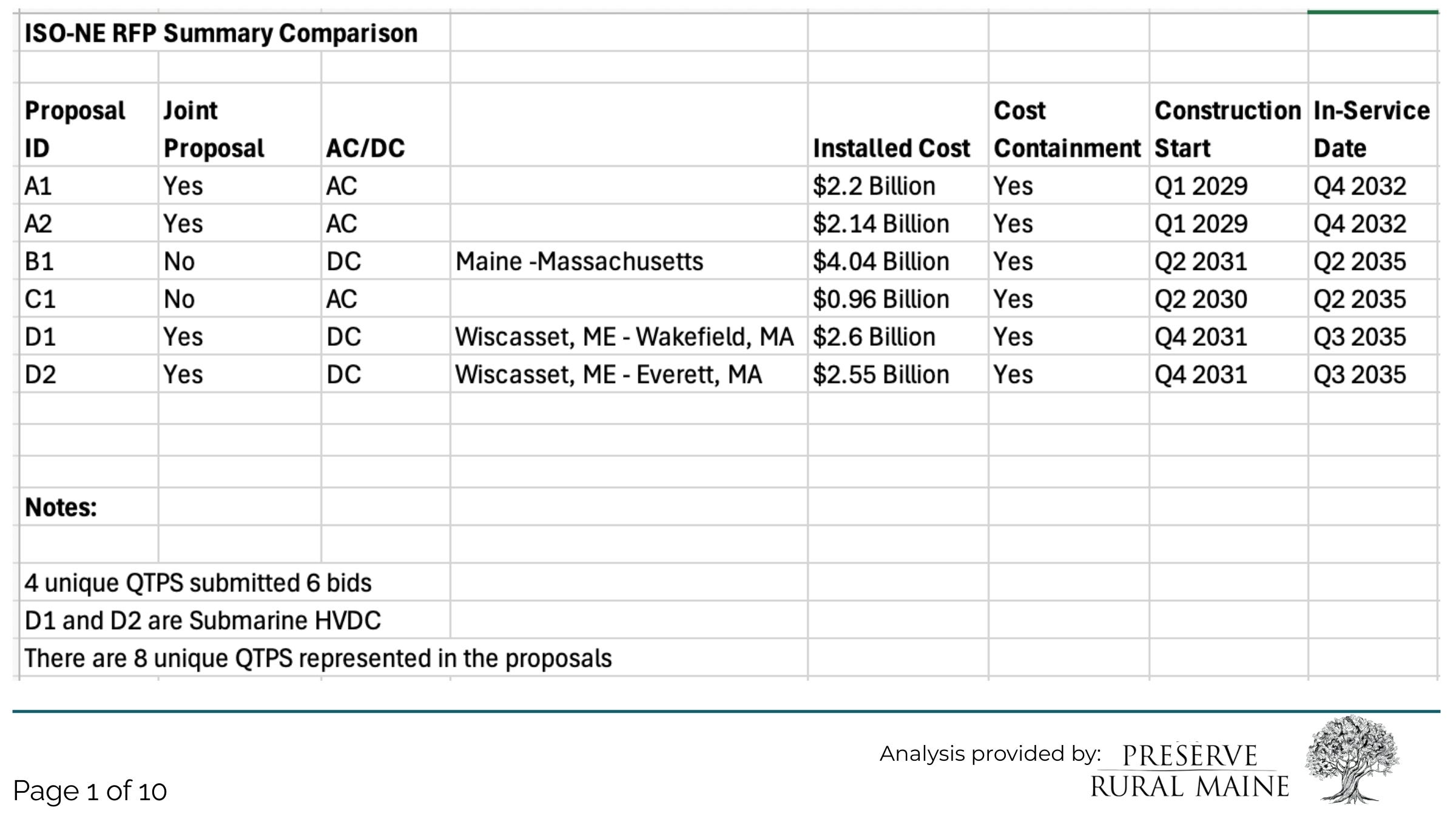
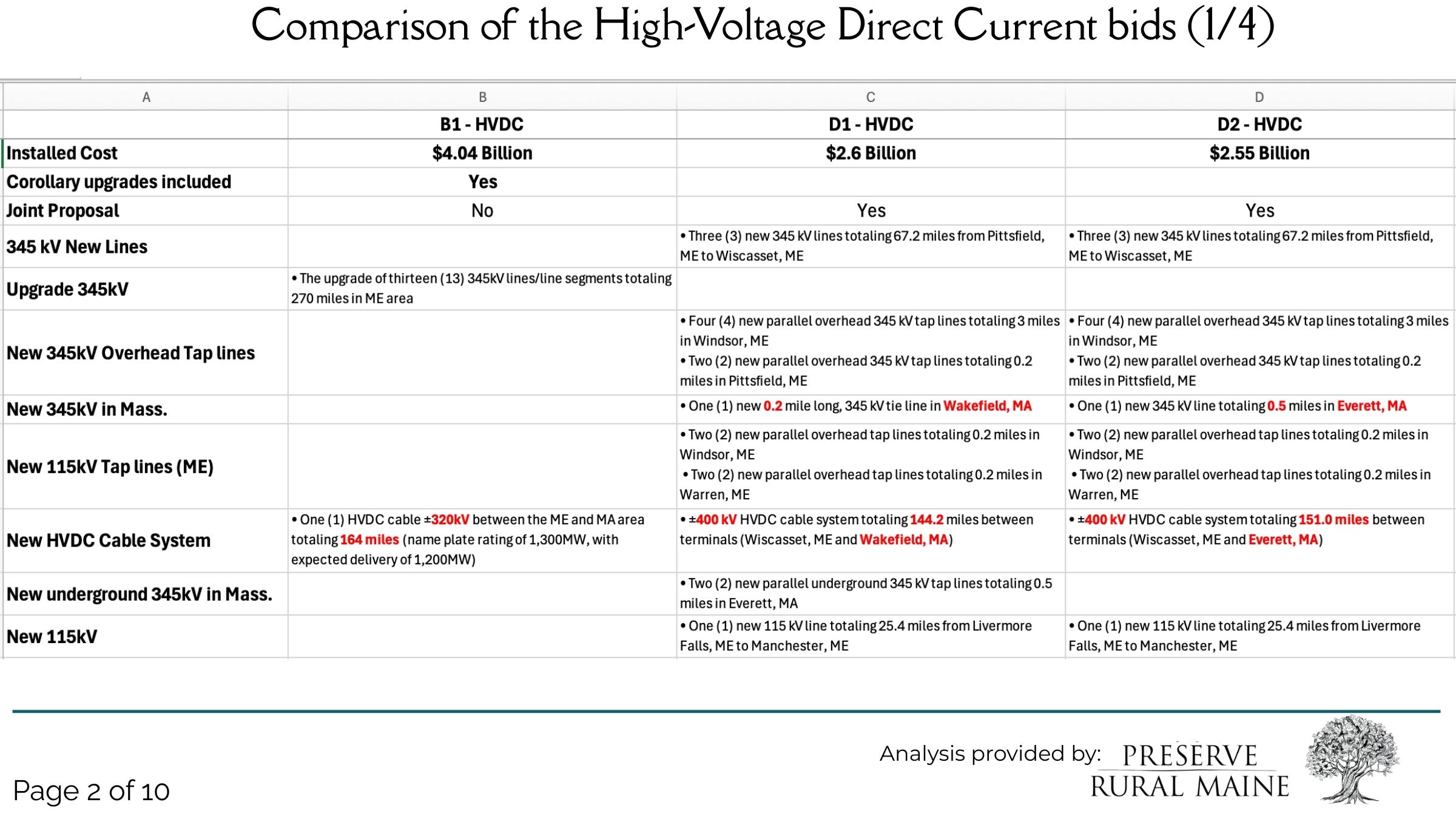
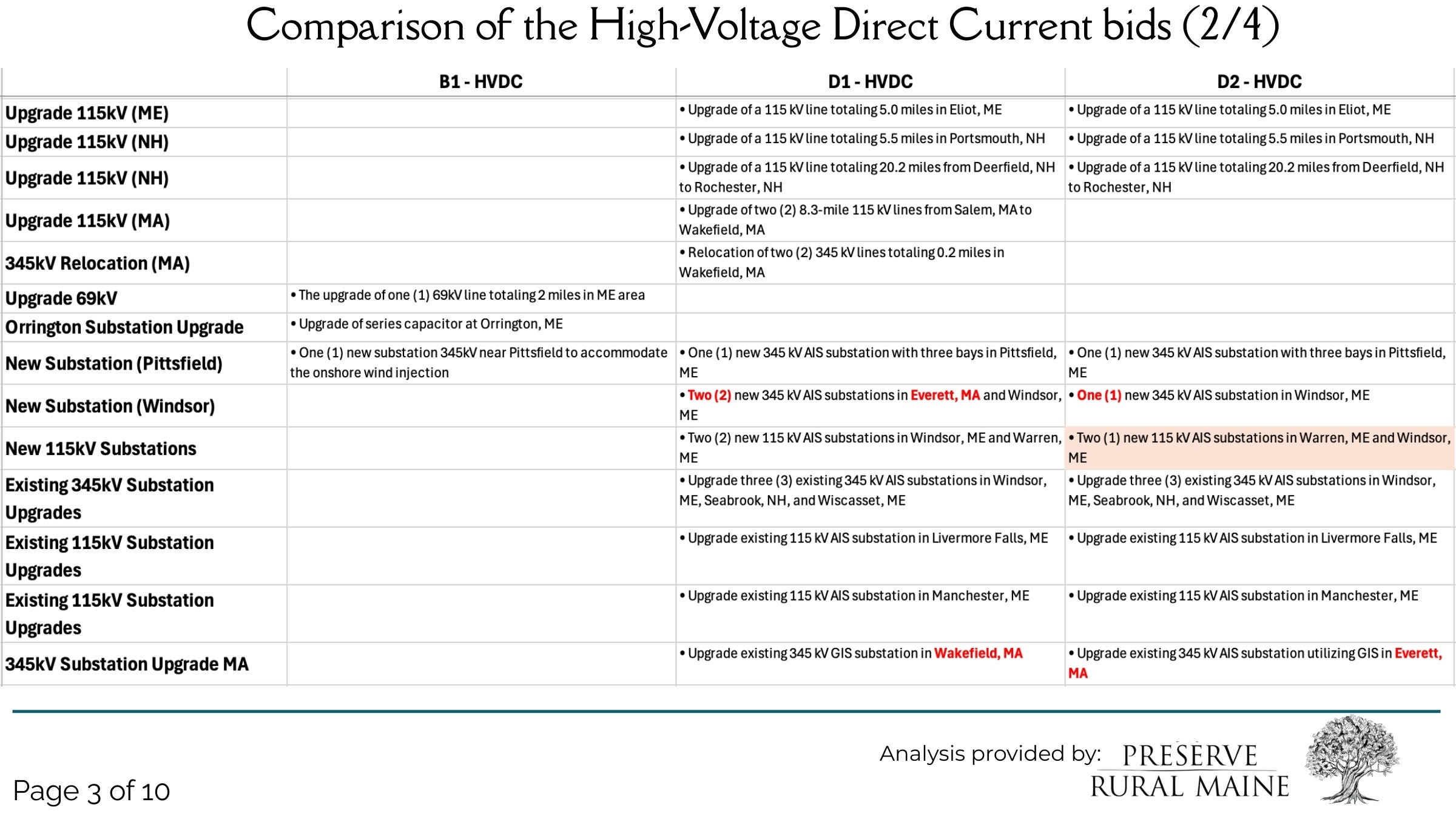
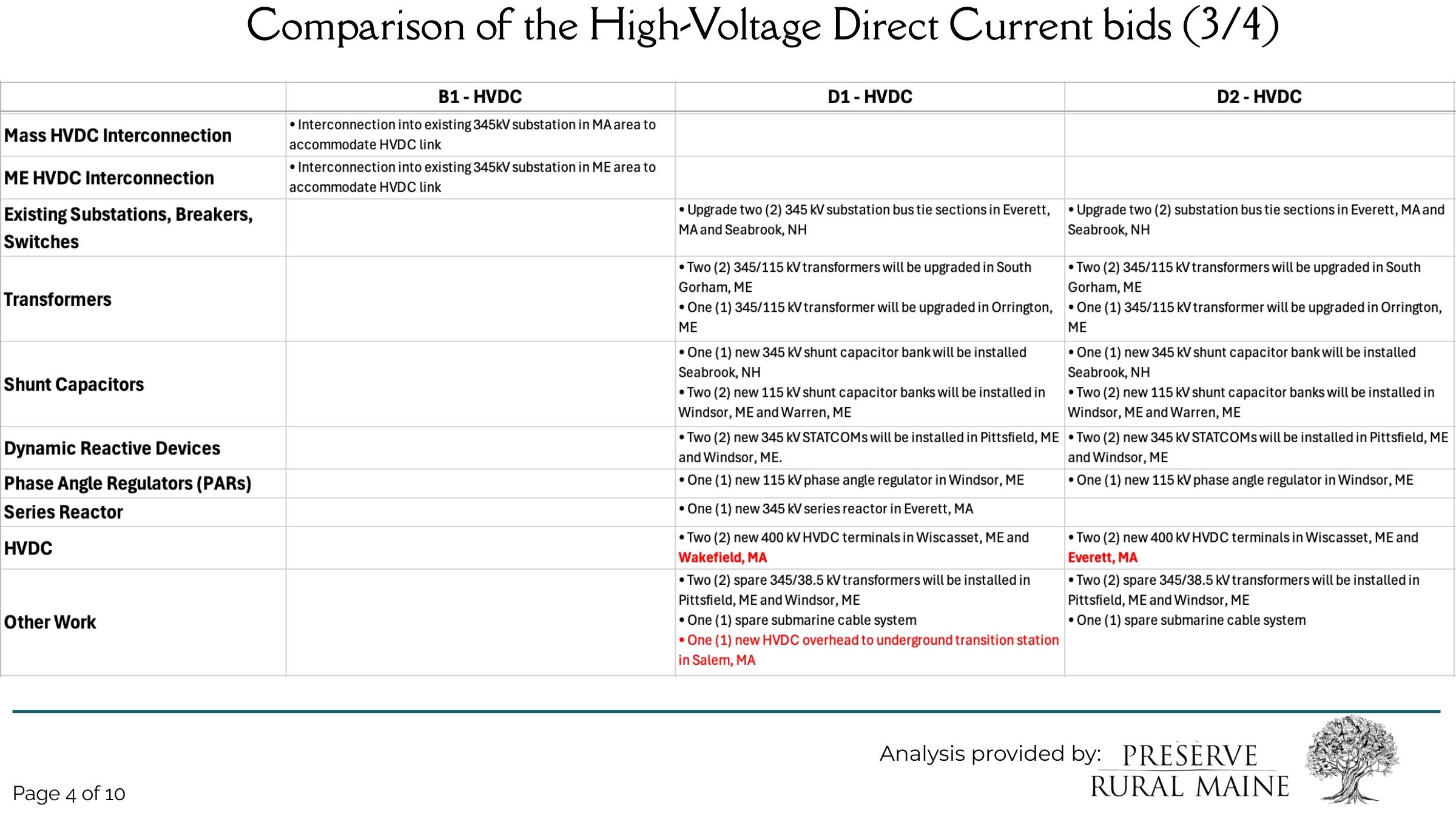
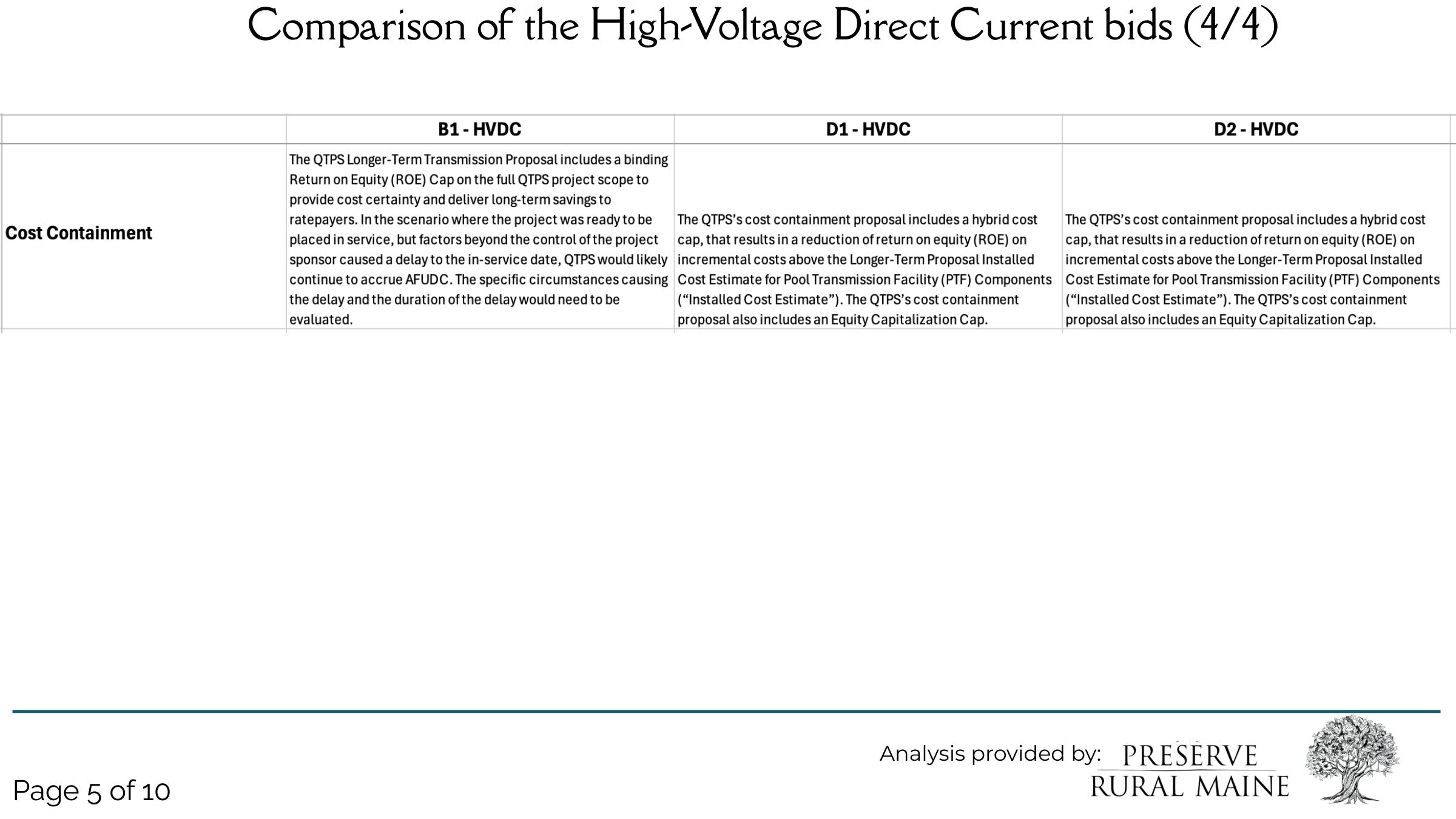
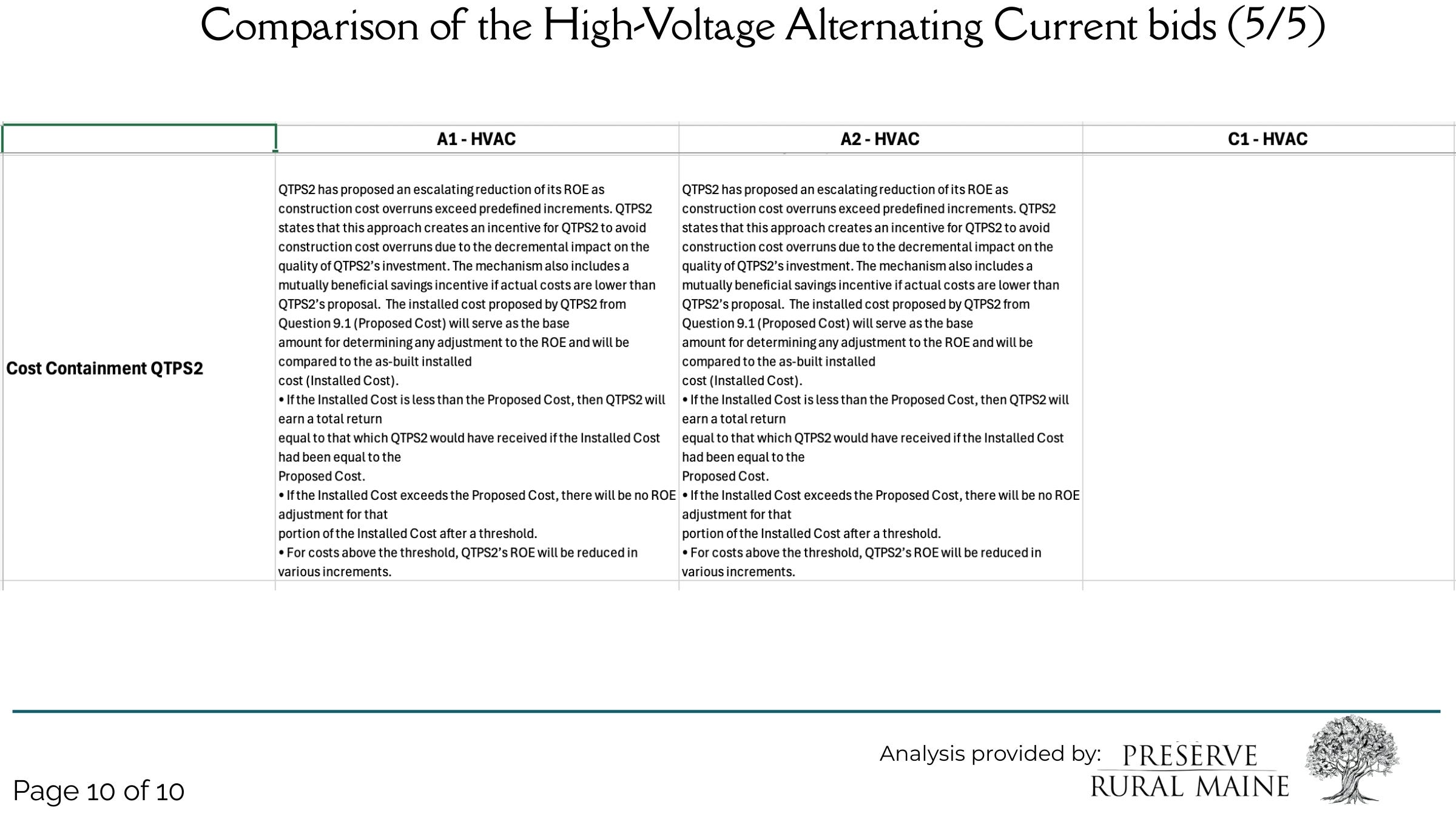
ISO-NE recently posted responses to their Long Term Planning RFP. These responses are definitely not “apples-to-apples” and thus require analysis to understand. Preserve Rural Maine has kindly put together a spreadsheet.
(Please consider donating to PRM if your yearly budget allows! This is the ONLY non-profit I know of which is actively participating on behalf of rural Mainers. You can see PRM participation on recent dockets 2024-00099 Northern Maine and 2025-00279 Eminent Domain)
ISO-NE posted their RFP for Longer Term Planning on 6/25/25. (Their site does not allow me to link directly to the document, so click that link and navigate to the date of 6/25/25)
On 11/14/25, ISO-NE posted summarized, anonymized documents describing the proposals received. This was posted as two documents, a summary report (PDF, 24 pages) and a summary presentation (16 slides). Added at end of post for your convenience.
There were six bids (A1, A2, B1, C1, D1, D2).
Three were HVAC, three HVDC.
Two were submarine.
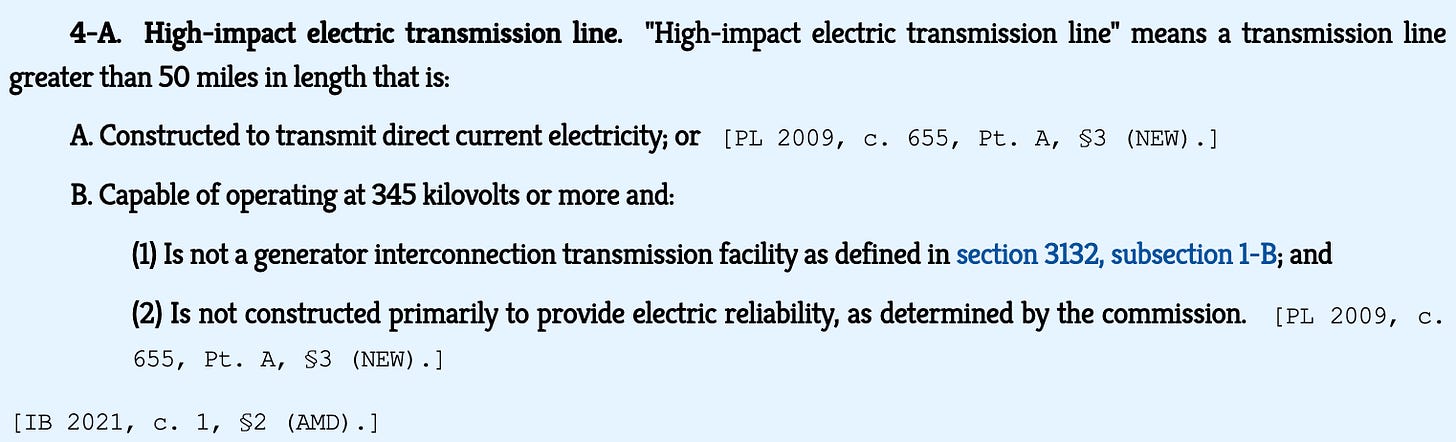
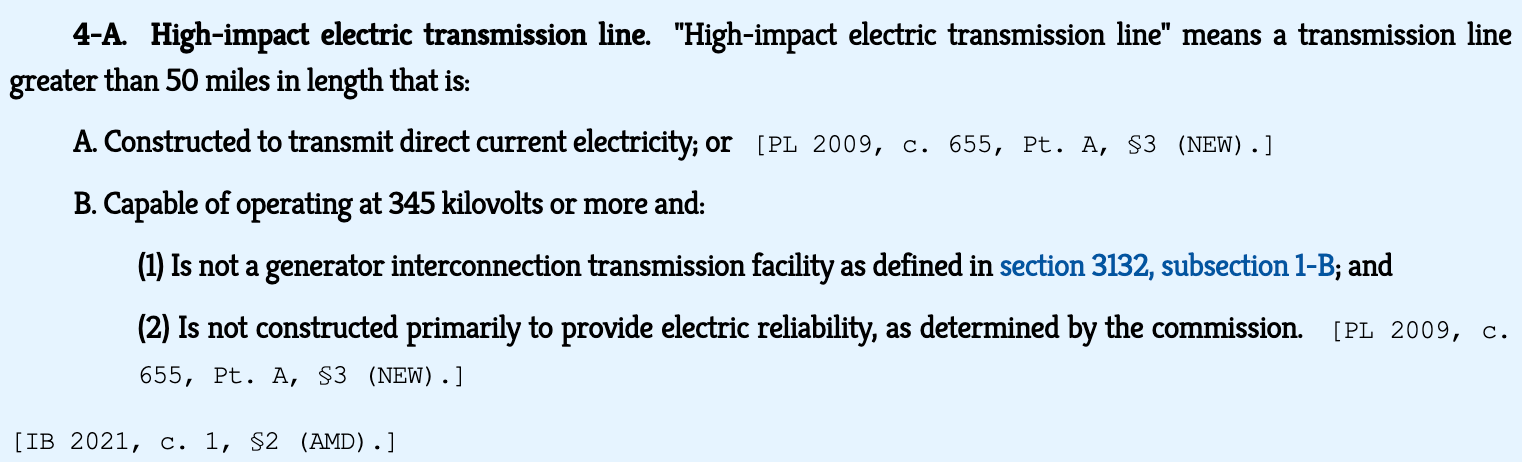
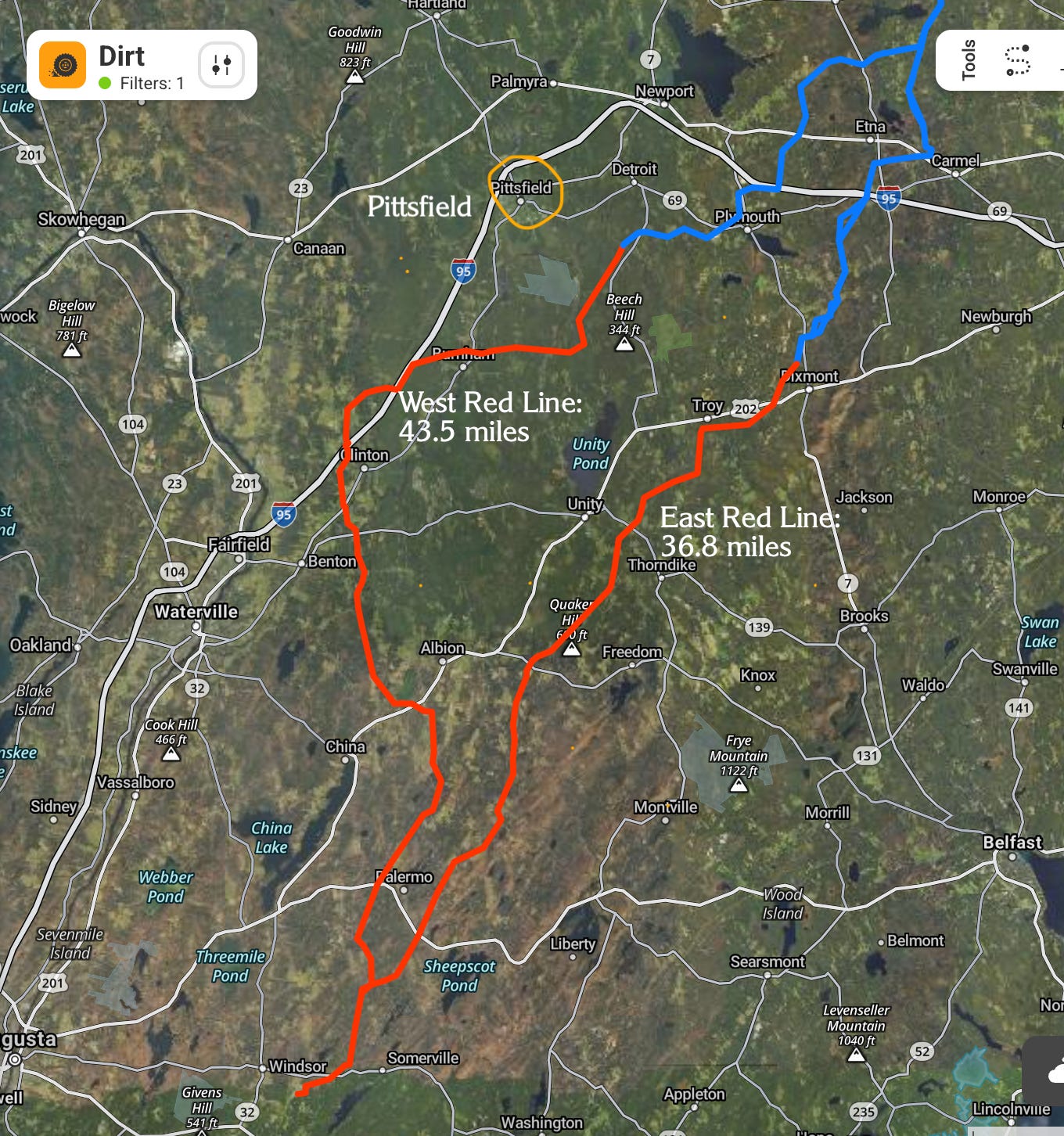
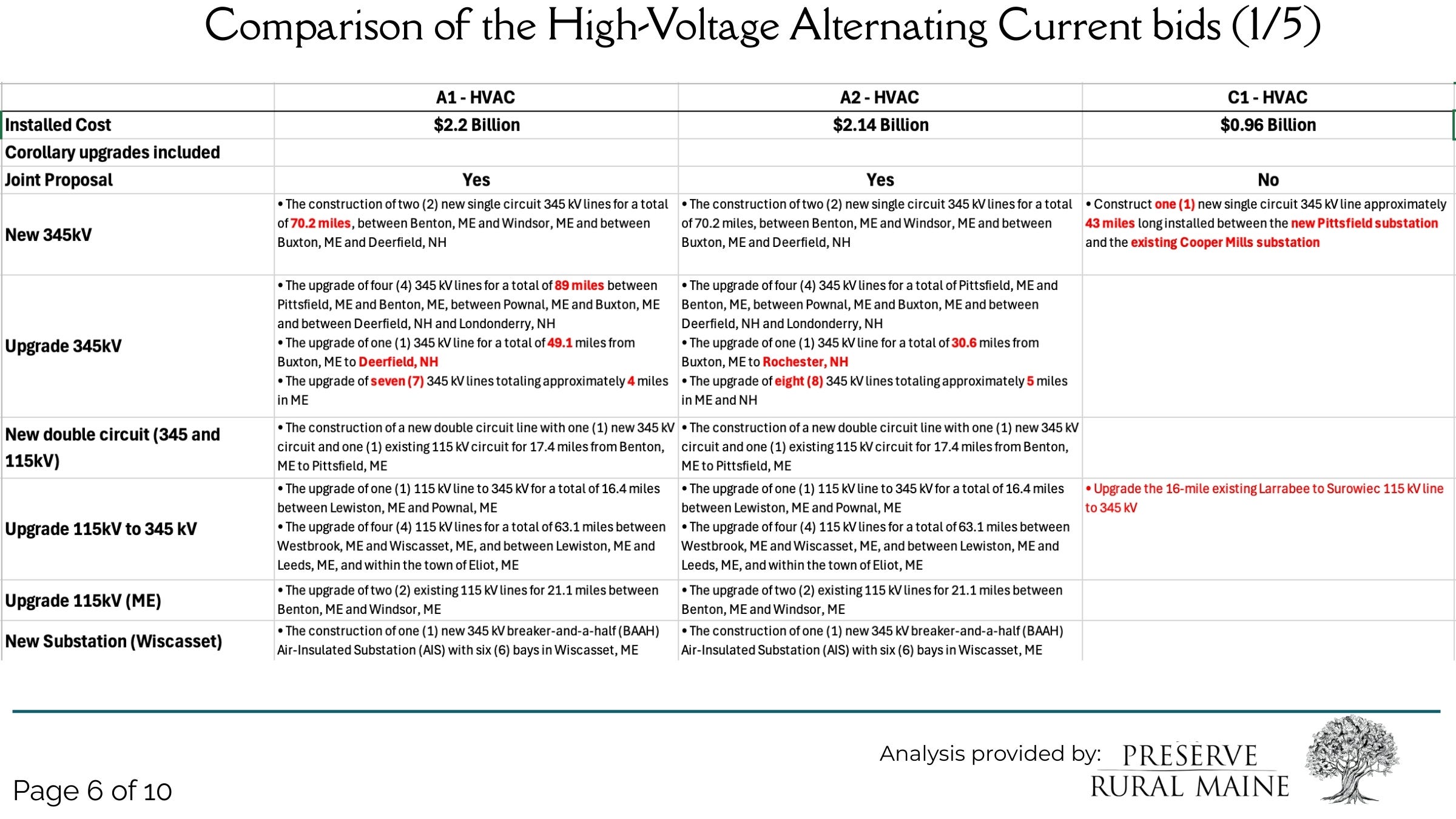
Look at the line lengths in miles (highlighted in red in several places.) If they are less than 50 miles, it’s not a high-impact transmission line according to Maine legislation. Are they trying to get around this law by breaking up the lines into shorter segments?
The lowest bid, C1, has a line length that is exactly the same as one LS Power proposed in 2023 (43 miles from Pittsfield to Coopers Mill. That is not the length of the existing CMP corridor.) Coincidence?
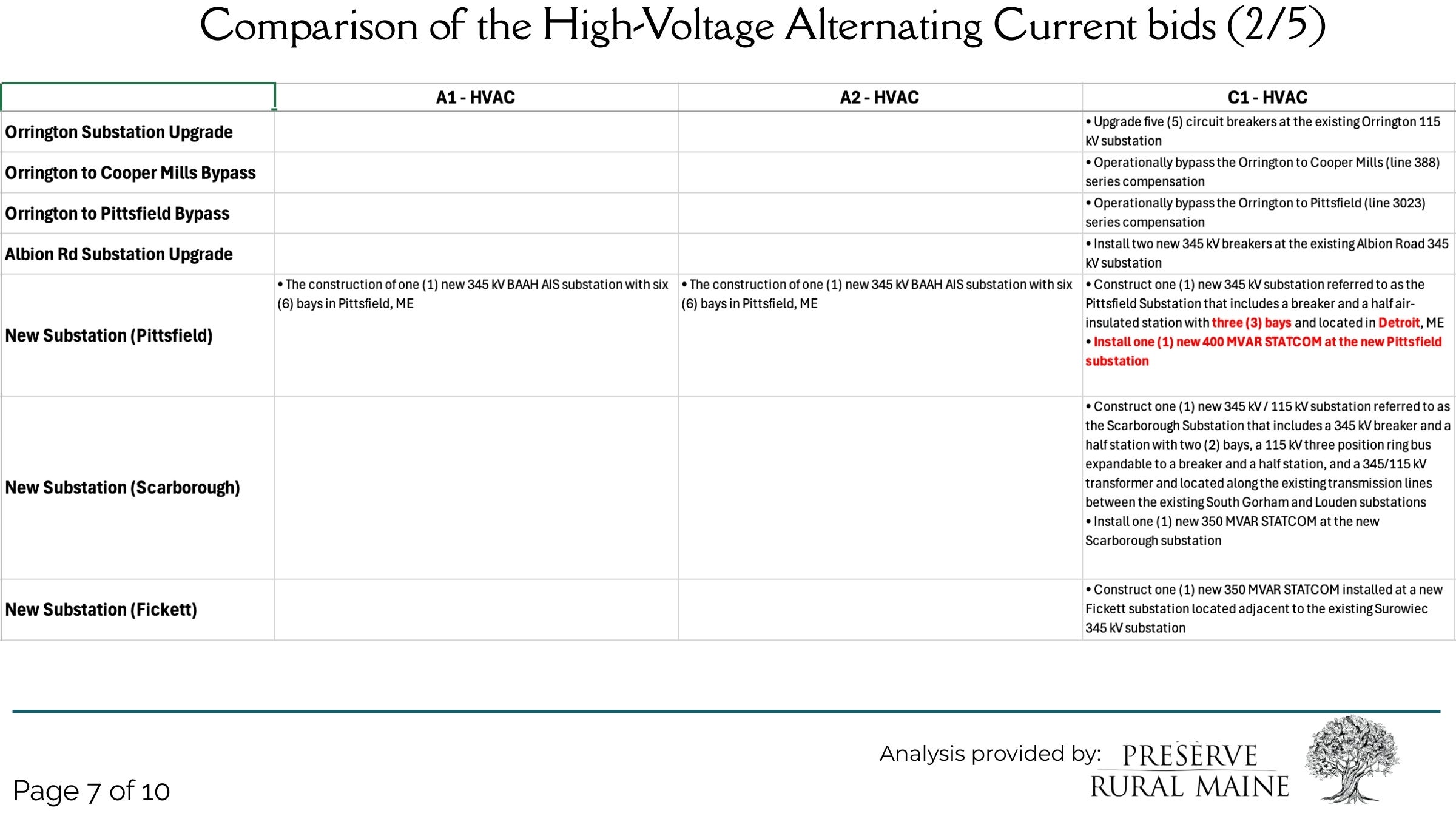
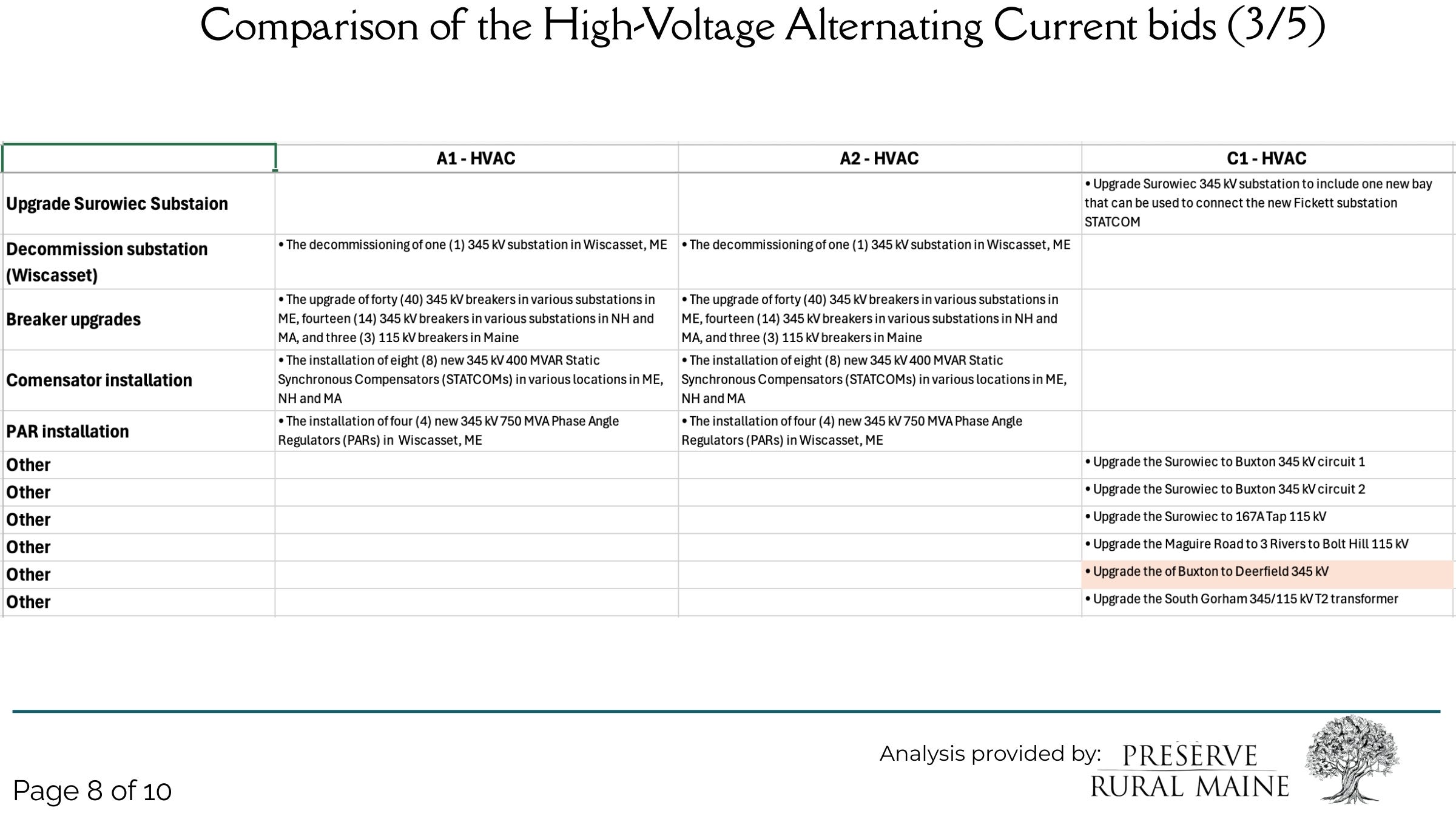
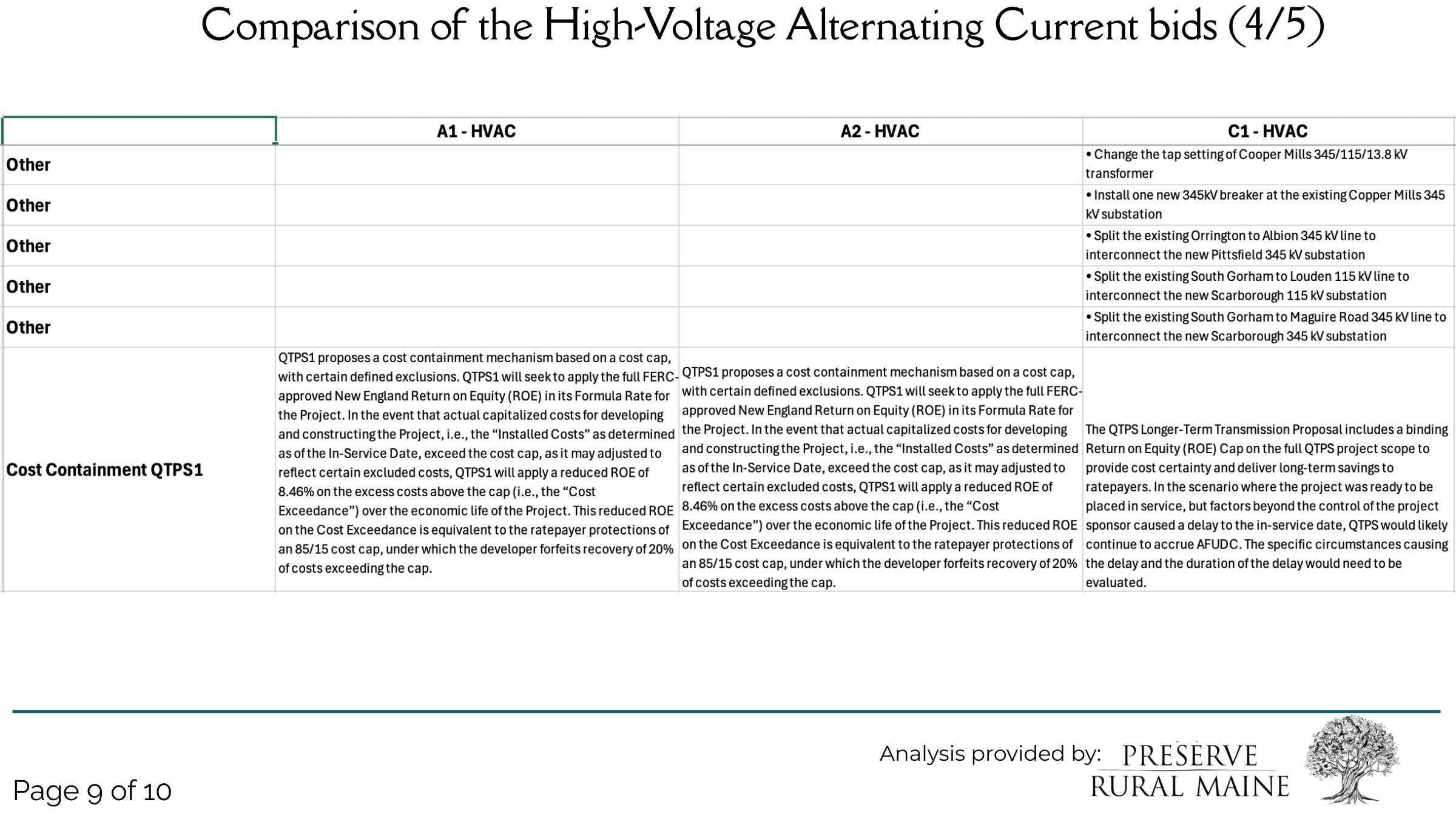
The Preserve Rural Maine Analysis:
(download as PDF at end)
Uploads:

Thank you as always for making the effort to write this up! Apologies for me not being able to participate in the wider group discussions more; regular life has a way of throwing multiple curveballs at once... I'm still trying to digest these ISO-NE options... But you asked a straightforward question:
"Are they trying to get around this law by breaking up the lines into shorter segments?"
While that's always a possibility, a proposed line can't be made shorter without cost. It's overall length is determined by physical circuit breakers at each end. Therefore the terminal substations must support the transmission voltage (e.g. 345kV) across its internal station infrastructure. Building the station infrastructure is far more costly than a per-unit length of overhead transmission line.
Examples: notice the substation build-outs calling for new "Air Insulation Substations (AIS); those a big dollar items, especially when breaking new ground. But there are also proposals to expand "Gas Insulated Substations" (a different "GIS" than your wheelhouse ;) ). Almost the entirety of those stations are metalclad/jacketed gas-tight, and then filled with pressurized SF6 gas for insulation. They have very small footprints and very high dollar costs.
I fear our legislature and governor did far more damage to our high-impact transmission line laws in passing LD810 than any "wangling" developers might attempt by dicing up proposed transmission lines into shorter segments. Yet another reason to stay focused on our local ordinances, right? :)
Thank you again!